A Destination Is a Story Before It Is a Campaign
Tourism communication works harder when local culture is treated as the source—not the decoration.
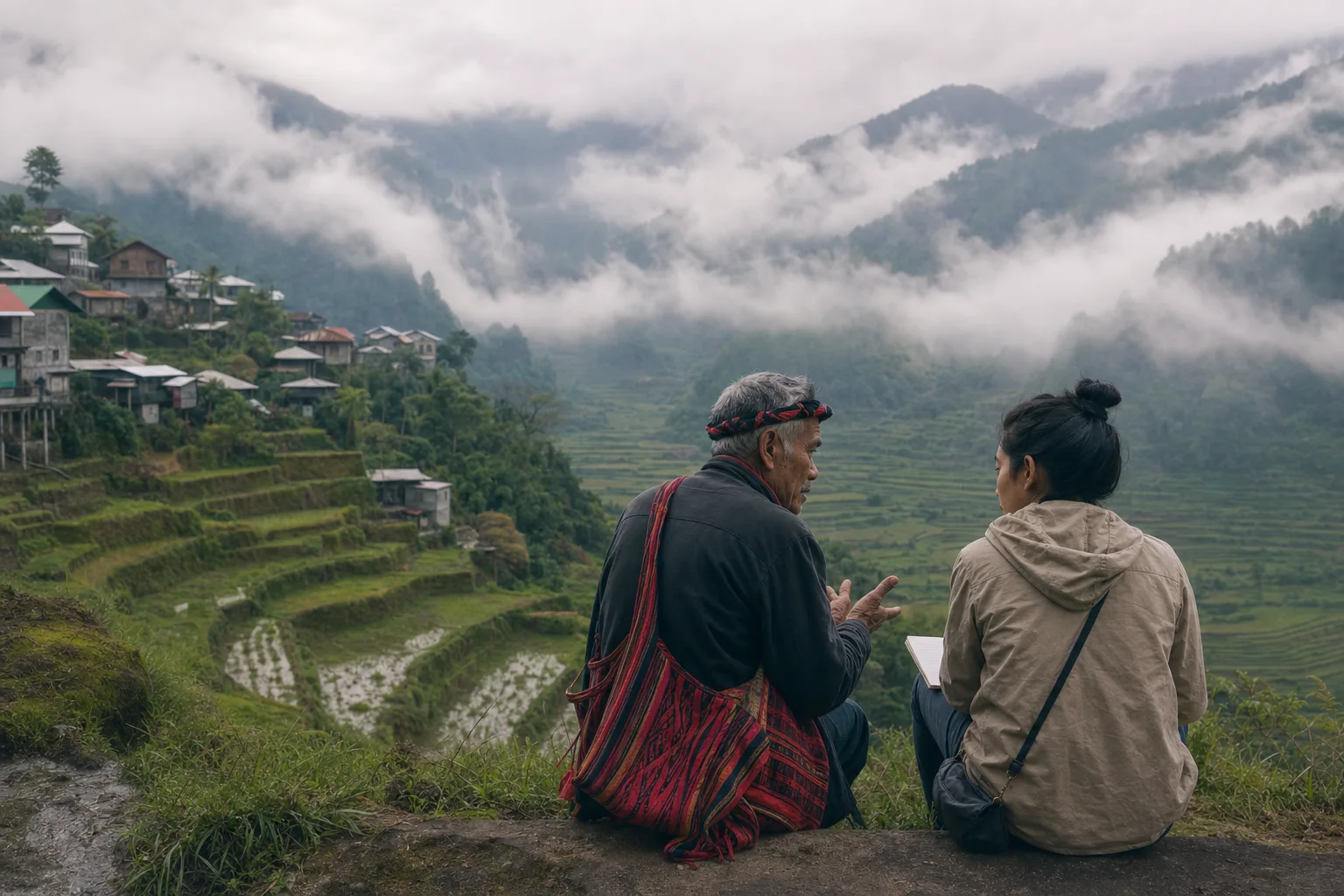
A destination already has a story before an agency arrives. It lives in the landscape, daily rituals, food, language, memory, and ambitions of the people who call the place home.
Find what cannot be copied
Generic travel language makes different destinations sound interchangeable. Strong destination positioning begins with what is specific: a local rhythm, a cultural practice, an unexpected contrast, or a point of view visitors cannot experience elsewhere.
Let local voices lead
Residents are not background characters in a visitor campaign. Their knowledge gives the story texture and credibility. Featuring local makers, guides, entrepreneurs, and communities can turn promotion into a more honest invitation.
Connect visitation with opportunity
Tourism marketing should consider what happens after attention arrives. Can local businesses participate? Are visitors guided toward respectful behavior? Does increased demand support long-term community goals?
The best destination campaigns create desire without flattening identity. They invite people in while protecting what made the place meaningful in the first place.



Continue the conversation